

Planning Lunar Observations Around Moonrise and Moonset
Why Moonrise and Moonset Shape Your Evening
The Moon keeps a schedule that drifts. Each day it rises roughly 50 minutes later than the day before, and sets about 50 minutes later too, though the exact gap varies from about 20 minutes to well over an hour depending on the season and the angle of its path against the horizon. That means a session you planned for Tuesday evening at 9pm might be a washout by Friday, when the Moon is still below the horizon at the same time.
For a UK beginner, the single most useful habit is to check two numbers before you commit to an evening outdoors: the time of moonrise and the time of moonset. Everything else — what you will see, how long you can stay out, whether the garden is even worth standing in — follows from those.
Reading the Moon's Daily Shift
The Moon's phase tells you when to expect it. Once you learn the pattern, you can plan weeks ahead without any gadget at all.
- Full Moon: rises around sunset, sets around sunrise. It is highest near midnight and visible essentially all night.
- First quarter: rises around midday, sets around midnight. By early evening it is already well up in the south.
- Last quarter: rises around midnight, sets around midday — a morning object, ideal for breakfast-time observing.
- Waxing crescent: a few days after new Moon, it sits low in the west after sunset and sets an hour or two behind the Sun.
- Waning crescent: a few days before new Moon, it rises an hour or two before the Sun and hangs low in the east.
Note the asymmetry: the young crescent is an evening target, the old crescent a morning one. Beginners often miss the waning crescent entirely because they only ever look after dinner.
The Value of a Low Horizon
Crescent Moons live near the Sun in the sky, so they are always close to the horizon and always in twilight. If your garden is ringed by houses, hedges or mature trees, you may never see a two-day-old Moon from home — not because it is not there, but because it sets before it clears the rooftops.
Scout for a spot with a genuinely open view. Coastal promenades, hilltops, the middle of a large park, a playing field, a canal towpath, or simply an upstairs window facing the right direction can all work. In spring evenings the ecliptic stands steeply against the western horizon, so the waxing crescent climbs reasonably high and lingers. In autumn evenings it is the opposite: the crescent hugs the horizon and drops away quickly, and you may have only half an hour to catch it.
Do not worry about streetlights for the Moon itself. It is bright enough to cut through urban glow, which makes it one of the most forgiving targets in the sky.
Working With Twilight
You do not need full darkness. The Moon is bright, and the best views of a thin crescent come during civil twilight, while the sky still holds some colour. That soft blue backdrop makes the faintly glowing dark side of the Moon — earthshine, sunlight reflected off Earth back onto the lunar surface — far easier to see than against a black sky.
In the UK, summer evenings never reach true astronomical darkness in many northern locations, but that hardly matters for lunar work. In winter, darkness arrives early, which suits long, relaxed sessions, though you will want to be properly dressed for it.
A Simple Routine Before You Go Out
- Check the phase and decide whether the Moon is an evening or morning target.
- Check moonrise and moonset for your location, using a planetarium app, a printed almanac or a tide-and-Moon table.
- Pick your viewing spot in daylight so you know exactly where to stand and where the Moon will appear.
- Allow a margin of at least 20 minutes either side of your estimated time — the Moon is rarely exactly on schedule from a given back garden.
- Take binoculars — 7x50 or 10x50 are ideal — plus a red torch, a warm flask and a folding chair.
Binoculars transform the Moon for beginners. Even a modest pair shows the large dark plains, the brighter highland regions and the ragged line between lunar day and night.
What to Look For at Each Phase
Days one to three: a slender crescent, best seen low in the west just after sunset, with earthshine making the whole disc faintly visible. This is the most beautiful and most overlooked phase.
Days four to seven: the terminator — the boundary between light and shadow — is where all the drama is. Craters there throw long shadows and stand out in stark relief. Look for the large dark oval of Mare Crisium near the eastern limb.
First quarter: the Moon is high and steady in the evening, and the terminator runs roughly down the middle of the disc, lighting up craters along the middle of the Moon.
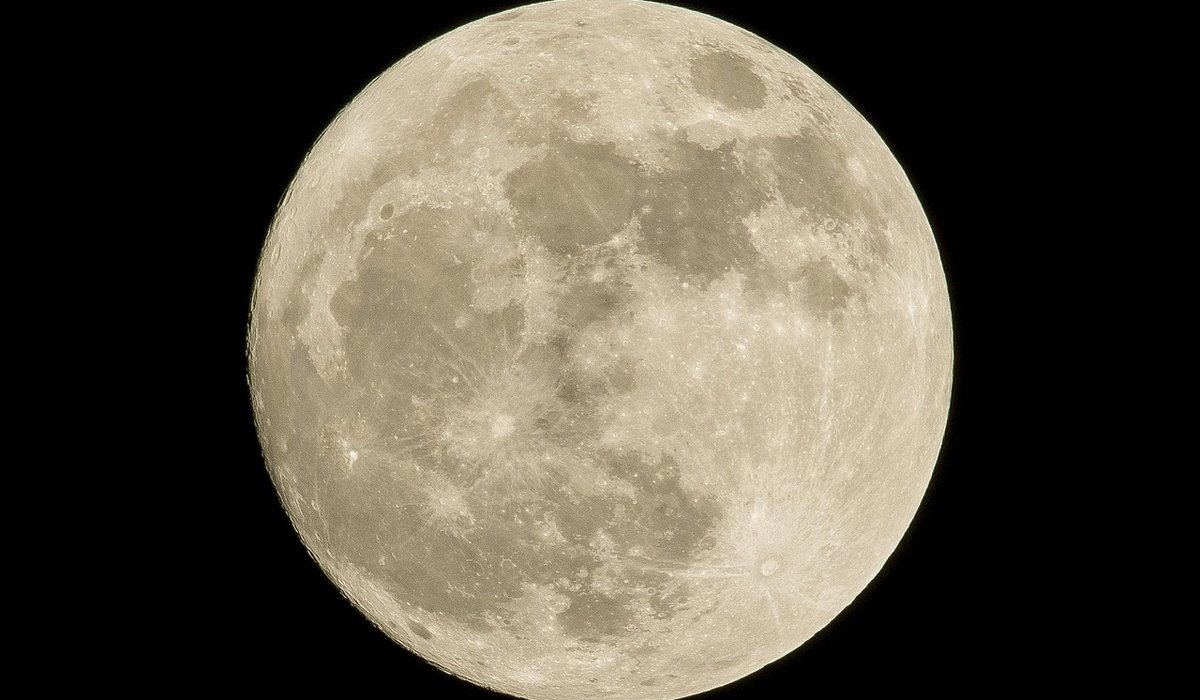
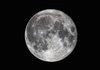
Full Moon: wonderful to the naked eye, but flatter through optics because sunlight falls straight down. Try a Moon filter or simply drop your magnification and enjoy the bright ray systems spreading from Tycho.
Last quarter and waning crescent: quieter, often sharper views in the early morning, when the atmosphere is frequently steadier than it is at dusk. Set an alarm, make a flask, and you will often be rewarded with the crispest lunar detail of the month.


Stargazing
-
Assemble the mount indoors, balance the tube and align the finder before darkness falls. Practise in daylight to avoid frustration later.

Telescopes


-

Long established fact that a reader will be distracted
-

Long established fact that a reader will be distracted
-

Long established fact that a reader will be distracted


Lunar Phases
Karla Gleichauf
12 May 2017 at 05:28 pm
On the other hand, we denounce with righteous indignation and dislike men who are so beguiled and demoralized by the charms of pleasure of the moment
M Shyamalan
12 May 2017 at 05:28 pm
On the other hand, we denounce with righteous indignation and dislike men who are so beguiled and demoralized by the charms of pleasure of the moment
Liz Montano
12 May 2017 at 05:28 pm
On the other hand, we denounce with righteous indignation and dislike men who are so beguiled and demoralized by the charms of pleasure of the moment