

Understanding the Eight Phases of the Moon
Why the Moon Changes Shape
The Moon does not produce its own light. It shines by reflecting sunlight, and at any moment half of it is lit. As it orbits Earth, we see different amounts of that sunlit half. This cycle takes about 29.5 days and is divided into eight familiar phases. For UK beginners, the Moon is the perfect first target: bright, easy to find, and rewarding in modest binoculars. You do not need a dark sky or a large telescope — just a garden chair, a clear night, and patience.
The Eight Phases at a Glance
Astronomers label the phases by how much of the Moon's visible face is illuminated and whether that light is growing or shrinking. The sequence repeats every month.
- New Moon: The Moon sits between Earth and the Sun, so its lit side faces away from us. It is invisible in the glare of daylight.
- Waxing Crescent: A thin sliver appears in the west after sunset. The lit portion is growing.
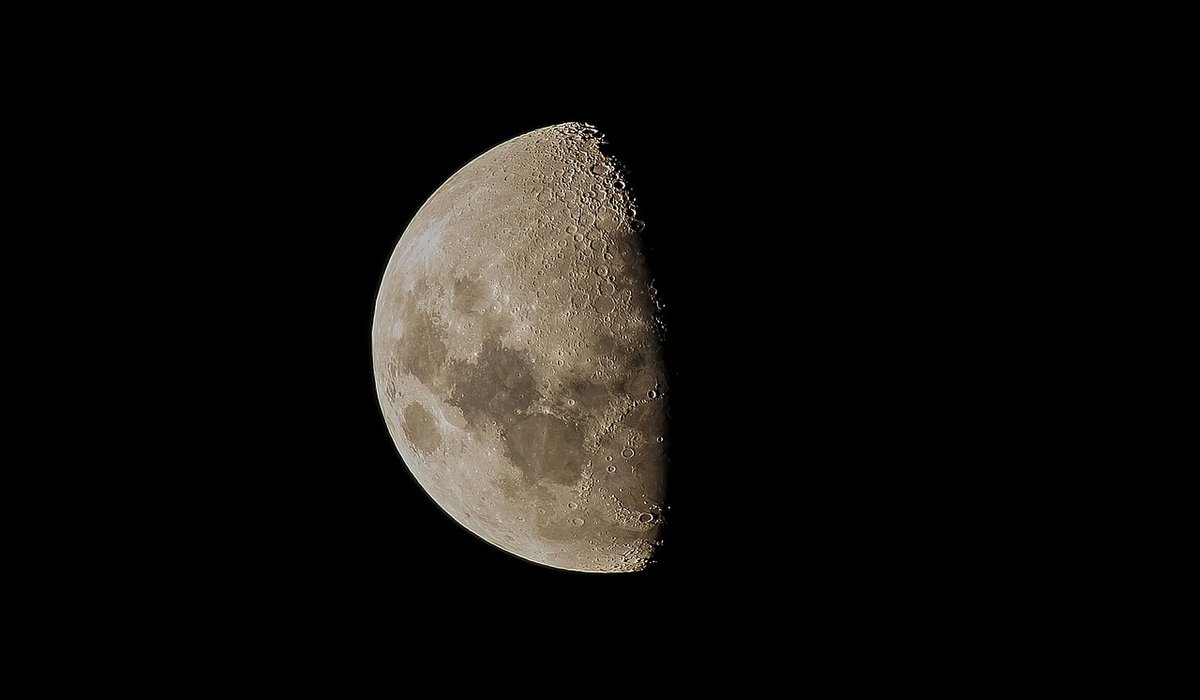
- First Quarter: Half of the visible face is lit. The straight edge, called the terminator, runs down the middle.
- Waxing Gibbous: More than half is lit, but the Moon is not yet full.
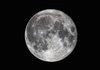
- Full Moon: The entire Earth-facing side is illuminated. It rises around sunset and sets around sunrise.
- Waning Gibbous: The lit portion begins to shrink. It rises later in the evening.
- Last Quarter: Half is lit again, but the opposite side from first quarter.
- Waning Crescent: A thin sliver before dawn. Soon it disappears into New Moon and the cycle begins again.
Quarter and full phases are instants, not whole days, but each stage is useful for several nights.
New Moon to First Quarter: The Terminator Returns
New Moon is the quietest time. It is the perfect chance to practise finding constellations without moonlight. Within a day or two, a waxing crescent appears low in the west after sunset. Look for earthshine — sunlight reflected from Earth that faintly lights the Moon's dark side. A beautiful sight in binoculars.
First quarter is arguably the best phase for beginners. The terminator divides the Moon into light and shadow, and along that line, craters and mountains cast long shadows. Details leap out: the crater Theophilus, the smooth dark oval of Mare Crisium, and the rugged Apennine mountains. Observe a few nights running and you will see the terminator creep across the surface, revealing new features each evening.
Waxing Gibbous to Full: Brightness and Detail
As the Moon grows towards full, the terminator moves towards the western edge. Waxing gibbous still offers excellent shadows, especially near the limb. The crater Copernicus and the bright ray system around Tycho become easier to spot.
Full Moon is spectacular to the naked eye, rising in the east around sunset, highest in the south around midnight, and setting around sunrise. In a UK winter it can be gloriously high; in summer it stays low and often takes on a warm orange tint. Through binoculars or a telescope, full Moon can be too bright; shadows vanish and craters look flat. If you have a telescope, use a Moon filter or lower the brightness. Otherwise, enjoy it: a brilliant, serene sight, and a fine subject for a smartphone photograph steadied against a garden wall.
Waning Moon: Last Quarter to Crescent
After full Moon, the lit portion shrinks. Waning gibbous rises later in the evening. Last quarter does not rise until around midnight, so it is best seen in the early hours. For early risers, this is rewarding. The terminator now falls on the opposite side, so craters that were hidden at first quarter come into view. Morning skies are often steadier than evening.
The waning crescent appears before dawn, low in the east. Earthshine returns, and the thin curve looks delicate against the twilight. In the UK, summer waning crescents can be tricky because the Sun rises early; winter offers dark, crisp mornings. Watch moonrise and moonset times, which shift by roughly 50 minutes daily.
Practical Garden Astronomy for UK Beginners
You do not need expensive equipment — a comfortable chair, warm blanket, and flask will keep you observing longer. 7x50 or 10x50 binoculars are ideal: light enough to hold, powerful enough to show craters and lunar seas. With a telescope, start at low magnification and increase only when the air is steady.
Let your eyes adapt for 20 minutes. Avoid white lights and phone screens; use a red torch if needed. Position yourself so a hedge, shed, or wall blocks streetlights. The Moon is bright enough for a town garden, so ignore light pollution.
- Check the phase: first and last quarter give the best surface detail; full Moon gives a broad, bright view.
- Watch the weather: UK skies change quickly, so be ready to dash outside when a gap appears.
- Keep a notebook: sketch or note what you see. You will learn lunar features faster.
- Dress warmly: cold makes you rush. Thermal layers, gloves, and a hat are part of the kit.
- Observe over several nights: the terminator moves, revealing new features.
Above all, be patient and curious. The Moon is the night sky's most generous object, and from a UK garden it offers a new view almost every clear evening. Learn the eight phases and you will always know when to look.


Stargazing
-
Sunlight illuminates different portions of the lunar surface as the Moon orbits Earth. This changing angle creates the phases we see from home.

Telescopes


-

Long established fact that a reader will be distracted
-

Long established fact that a reader will be distracted
-

Long established fact that a reader will be distracted


Lunar Phases
Karla Gleichauf
12 May 2017 at 05:28 pm
On the other hand, we denounce with righteous indignation and dislike men who are so beguiled and demoralized by the charms of pleasure of the moment
M Shyamalan
12 May 2017 at 05:28 pm
On the other hand, we denounce with righteous indignation and dislike men who are so beguiled and demoralized by the charms of pleasure of the moment
Liz Montano
12 May 2017 at 05:28 pm
On the other hand, we denounce with righteous indignation and dislike men who are so beguiled and demoralized by the charms of pleasure of the moment