

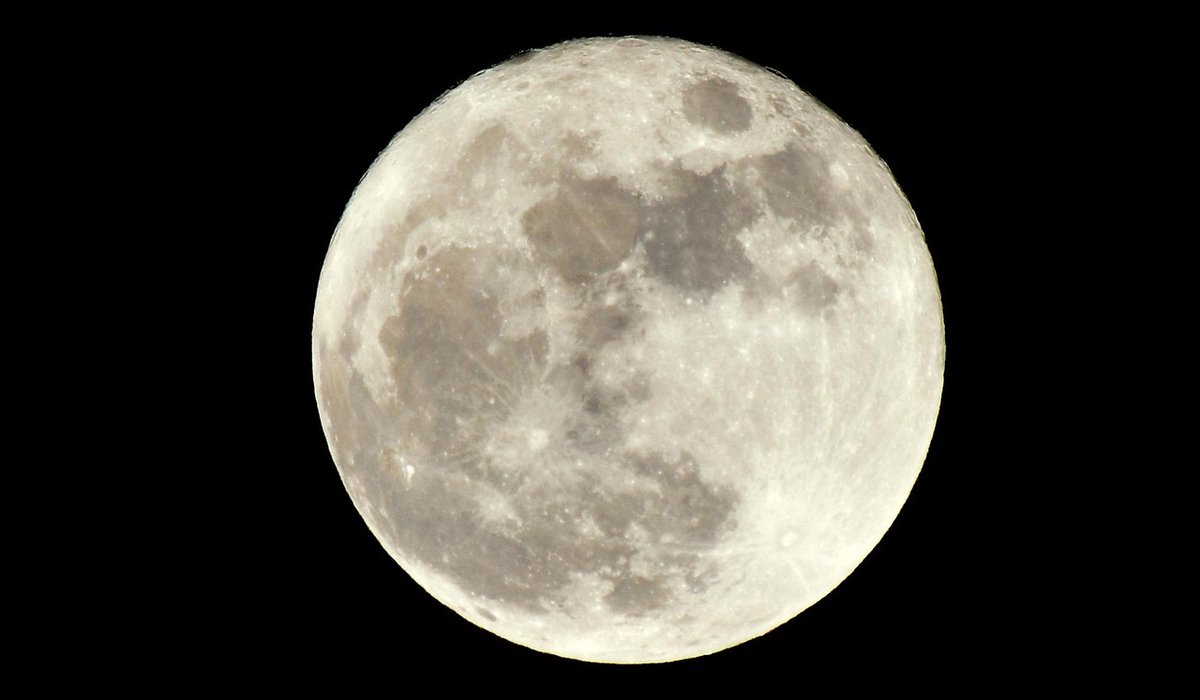
Using Binoculars to Explore the Moon's Surface
Why the Moon Is the Perfect Target for UK Garden Astronomy
You do not need dark skies, a large telescope, or a long drive into the countryside. The Moon is bright enough to cut through the glow of streetlights and the orange haze of a typical British town. It is also the only object in the night sky that shows real, changing detail through almost any optical aid. Even a modest pair of binoculars — the sort you might keep for birdwatching or a day at the coast — will reveal a rugged landscape of craters, plains and mountain ranges. The best part? You can observe from your own back garden.
What You Can Actually See Through Binoculars
Forget the tiny, flat disc you see with the naked eye. Through 7x or 10x binoculars, the Moon becomes a three-dimensional world. The dark patches — called maria (Latin for seas) — are vast plains of ancient lava. Bright areas are highlands, saturated with craters. Along the line where light meets shadow (the terminator), crater rims cast long, dramatic shadows, making them look like rings of mountains.
With a steady hand and a little practice, you can identify:
- Mare Crisium — a distinct, dark oval near the Moon's upper-right edge from the UK.
- Tycho — a brilliant crater in the southern highlands, with bright rays splashed across the surface like spokes.
- Copernicus — a prominent crater in the middle of the Oceanus Procellarum, often showing a central peak.
- Plato — a dark, smooth-floored crater near the top of the Moon, easy to spot when the terminator is nearby.
- Mare Tranquillitatis — the Sea of Tranquility, where Apollo 11 landed (though you will not see the lander itself).
You will not see flags, but you will see the same rugged beauty that captured Galileo's attention four centuries ago.
Choosing Binoculars That Work for the Moon
Bigger is not always better. High magnification (anything above 12x) amplifies every wobble of your hands, turning the Moon into a jittery blur. For handheld lunar observing, 7x50 or 10x50 binoculars are ideal. The first number is magnification; the second is the diameter of the front lenses in millimetres. A 50mm lens gathers enough light to show fine detail, while 7x or 10x remains manageable without a tripod.
If you wear glasses, choose long eye relief (15mm or more). Rubber eyecups that fold down are helpful. Avoid zoom binoculars; they are dimmer at high power.
Steady Viewing Techniques for a UK Garden
The single biggest challenge is keeping the image still. A reclining garden chair is a game-changer: lie back, bring the binoculars to your eyes, and rest your elbows on the armrests or your chest. Alternatively, stand beside a wall, fence or shed and rest your elbows on the top. A broom handle pushed into the ground can serve as a monopod.
- Brace your binoculars against a washing line pole or bird feeder pole.
- Breathe gently and time your viewing between heartbeats if you are standing.
- Use a tripod adapter if your binoculars have a threaded socket — this is the most stable option.
- Keep both eyes open if you can, or cover the non-viewing eye with a lens cap to avoid squinting.
- Focus carefully on a distant streetlight or star first, then turn to the Moon.
A flask of tea and warm gloves make longer sessions enjoyable. In winter, binoculars become painfully cold.
When to Look: Phases and UK Weather
The full Moon is tempting but disappointing. It is so bright that shadows disappear, flattening the surface into a white disc. The best views come when the Moon is waxing crescent, first quarter, or waning gibbous. At these times, the terminator line cuts across the surface, revealing craters in sharp relief.
From the UK, the Moon is often visible in the early evening during autumn and winter. Check the forecast. Thin cloud ruins the view, but haze is fine. Avoid observing through double-glazed windows — the glass distorts the image. Open a window or, better still, step outside.
Try observing the same crater on consecutive nights. You will see the shadows creep across the floor, changing shape hour by hour. It is a living landscape under a moving sun.
A Simple Lunar Tour to Get You Started
Start with the terminator. Scan along it slowly. Near first quarter, look for the Apennine Mountains — a rugged chain that casts spiky shadows. Just south of them is Archimedes, a crater with a smooth, dark floor. Continue south to Ptolemaeus, Alphonsus and Arzachel, a trio of craters that look like a snowman's footprints.
On the eastern edge, you will find Mare Crisium, isolated and oval. Further south, the Sea of Fertility and the Sea of Nectar appear as grey smudges. Near the southern limb, Tycho blazes with rays that stretch halfway across the Moon. These rays are fresh, bright ejecta from the impact.
Do not worry about memorising names at first. Simply enjoy the shapes. Notice how a crater rim catches the sunlight while its interior remains inky black. With practice, you will start to recognise features without a map. That moment is the real reward of garden astronomy.


Stargazing
-
Seven to ten times magnification balances detail with brightness. Larger numbers sound impressive but can make hand-held viewing shaky and uncomfortable.

Telescopes


-

Long established fact that a reader will be distracted
-

Long established fact that a reader will be distracted
-

Long established fact that a reader will be distracted


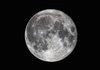
Lunar Phases
Karla Gleichauf
12 May 2017 at 05:28 pm
On the other hand, we denounce with righteous indignation and dislike men who are so beguiled and demoralized by the charms of pleasure of the moment
M Shyamalan
12 May 2017 at 05:28 pm
On the other hand, we denounce with righteous indignation and dislike men who are so beguiled and demoralized by the charms of pleasure of the moment
Liz Montano
12 May 2017 at 05:28 pm
On the other hand, we denounce with righteous indignation and dislike men who are so beguiled and demoralized by the charms of pleasure of the moment