

Best Binocular Magnification for Night Sky Views
Why 7x to 10x Wins for Garden Stargazing
If you are new to astronomy and standing in your back garden, the night sky can feel overwhelming. The Moon is obvious, but where do you start with the stars? Binoculars are the answer, and the most useful magnification for hand-held viewing is between seven and ten times. That range balances detail with brightness. Larger numbers sound impressive — 15x, 20x, even 30x — but they come with a hidden cost. The higher the magnification, the more every tiny tremble of your hands is amplified. A steady 8x view will show you more than a shaky 15x view, every time.
Reading the Numbers: What 10x50 Actually Means
Binoculars are described by two numbers, such as 10x50. The first number is the magnification: the object appears ten times closer than with your naked eye. The second is the diameter of the front lenses in millimetres — 50mm in this case. That second number matters just as much because it controls how much light you gather. A simple calculation gives the exit pupil, the beam of light that reaches your eye: divide the second number by the first. For 10x50, that is 5mm. For 7x50, it is 7.1mm. For 8x42, it is 5.25mm. Your eye's pupil dilates to about 7mm in youth and around 5mm by middle age. A 10x50 or 8x42 gives an exit pupil that suits most adults, while a 7x50 is superb if you have younger eyes or want maximum brightness under dark skies. In a UK garden with some light pollution, a slightly smaller exit pupil can actually help by darkening the background sky.
The Trouble with Higher Magnification
Hand-held binoculars above 10x are a false economy for beginners. At 12x, the image jitters visibly. At 15x or 20x, stars become wobbly streaks and lunar craters swim in and out of focus. You also get a narrower field of view, which makes finding objects frustrating. A 20x50 binocular has an exit pupil of just 2.5mm, so the view is dim and uncomfortable. The physics is unforgiving: high magnification magnifies your pulse, your breathing, and the faint breeze in your garden. Unless you use a tripod, magnification beyond 10x works against you. Even with a tripod, cheap high-power binoculars often suffer from soft optics and poor alignment, leaving you with a headache rather than a view.
Choosing Magnification for the Moon and Beyond
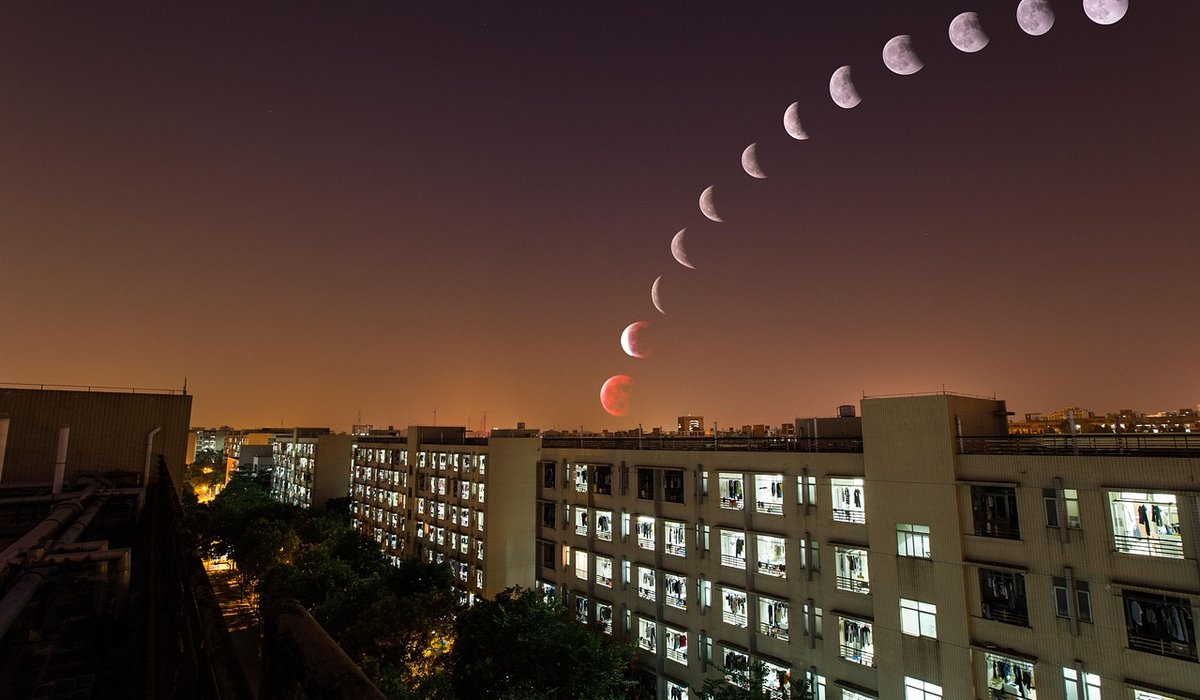
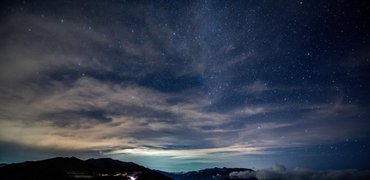
For lunar observation, 7x or 8x already reveals the major maria — the dark plains — and the brightest craters. At 10x, you can trace the terminator, the line between lunar day and night, where shadows make craters pop. During a crescent Moon, the detail along that line is breathtaking. For star clusters, 10x is excellent: the Pleiades fit beautifully in the field, and you can split the double star Mizar in Ursa Major. Jupiter's four largest moons appear as tiny dots beside the planet at 10x, and you may even glimpse a hint of cloud belts. Lower magnifications like 7x are wonderful for sweeping the Milky Way, but from most UK gardens that faint band is washed out by streetlights, so the Moon, Jupiter, and bright clusters become your best targets.
Steadying Your View in a UK Garden
A steady view is everything. In a typical British garden, you can improve stability without buying expensive kit. Sit on a garden chair and rest your elbows on your knees. Lean against a wall or fence. Lie back on a sun lounger — this is surprisingly effective for overhead targets. Breathe gently and hold the binoculars lightly; gripping them hard makes the shake worse. A broom handle or a walking pole can serve as a makeshift monopod if you rest the binoculars on top. Many binoculars have a threaded socket for a tripod adapter, and a basic tripod transforms 10x viewing. Keep your binoculars warm in a pocket before going out to slow down dew forming on the lenses. In winter, wear gloves with the fingertips cut off so you can still focus.
Practical Picks for Beginners
For most UK beginners, an 8x42 or 10x50 binocular is the sweet spot. If you wear glasses, check the eye relief — look for at least 15mm so you can keep your spectacles on. Avoid zoom binoculars; their optics are rarely sharp and their field of view is narrow. Weight matters: a heavy pair will discourage you from using them. A 7x50 gives the brightest image but is often bulkier. A 10x50 is the classic astronomy choice, though an 8x42 is lighter and easier to hold steady for long lunar sessions. Whatever you choose, remember that a sharp, stable 7x view beats a shaky 20x view. Your garden is a perfect observatory — even a modest pair of binoculars will show you craters, moons, and star clusters that you never knew were there.


Stargazing
-
Brace yourself against a fence, use a monopod or lie back on a blanket. Small movements are magnified, so comfort directly improves what you see.
Telescopes


-

Long established fact that a reader will be distracted
-

Long established fact that a reader will be distracted
-

Long established fact that a reader will be distracted


Lunar Phases
Karla Gleichauf
12 May 2017 at 05:28 pm
On the other hand, we denounce with righteous indignation and dislike men who are so beguiled and demoralized by the charms of pleasure of the moment
M Shyamalan
12 May 2017 at 05:28 pm
On the other hand, we denounce with righteous indignation and dislike men who are so beguiled and demoralized by the charms of pleasure of the moment
Liz Montano
12 May 2017 at 05:28 pm
On the other hand, we denounce with righteous indignation and dislike men who are so beguiled and demoralized by the charms of pleasure of the moment