

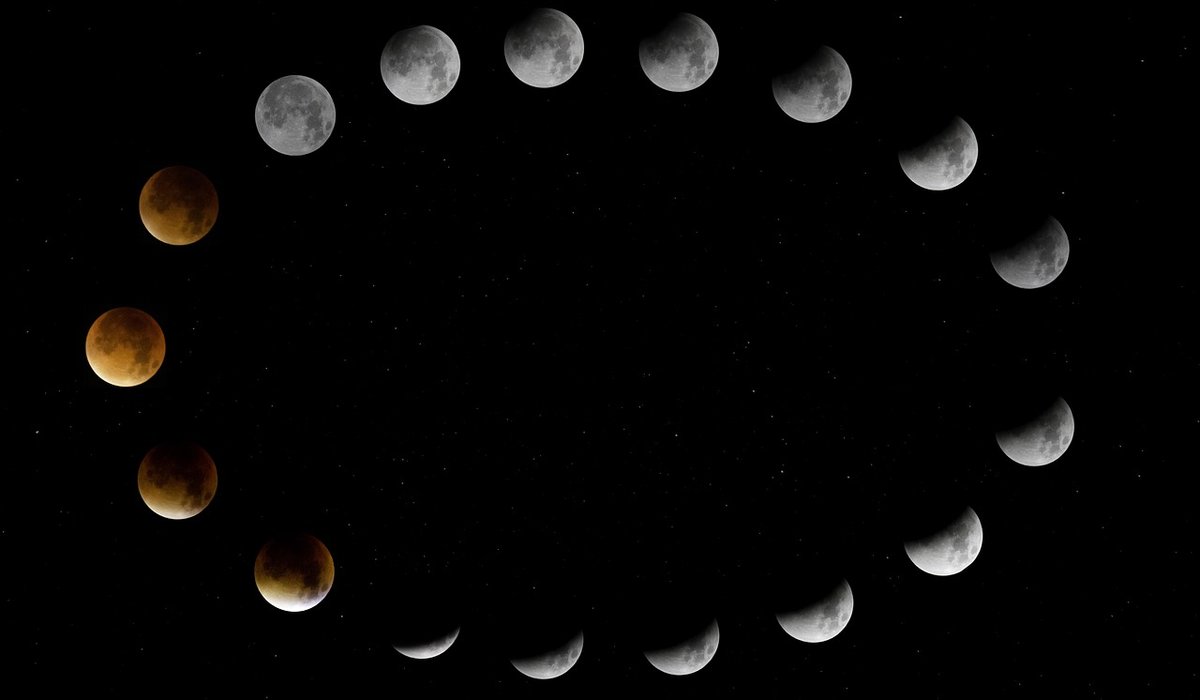
Choosing Eyepieces for Lunar and Planetary Viewing
Why your eyepiece choice matters more than you think
Your telescope gathers the light, but the eyepiece is what actually shapes the view. For lunar and planetary observing, the Moon and bright planets are already generous with light, so the eyepiece becomes the critical link between your eye and the sky. It sets the magnification, the field of view, and how comfortable you feel during a long session in the garden. On a typical UK night, the atmosphere is rarely perfectly steady, and that changes which eyepieces are genuinely useful. Many beginners assume more magnification is always better. In practice, a medium power eyepiece often delivers the sharpest, most detailed lunar and planetary views.
Magnification, focal length and field of view
Magnification is simple to work out: divide your telescope's focal length by the eyepiece's focal length. If your telescope has a focal length of 1200mm, a 25mm eyepiece gives 48x, a 12mm gives 100x, and an 8mm gives 150x. The true field of view is the apparent field of the eyepiece divided by the magnification. A standard Plossl might have a 50-degree apparent field, while a wide-angle design might offer 70 degrees or more. For the Moon, a wider field can be lovely, letting you see the whole disc or a large crater group. For planets, which are tiny, field of view matters less than sharpness and contrast. A medium power eyepiece around 100x to 150x is often the sweet spot for Jupiter, Saturn, and the Moon's finer features.
The UK atmosphere: your real limiting factor
British skies are famously fickle. The jet stream, local rooftops, and even your own body heat can create turbulent air that blurs fine detail. Seeing conditions are often measured in arcseconds, and on a typical night you might be limited to 1 or 2 arcseconds. That translates to a useful magnification of roughly 150x to 200x for most small to medium telescopes. On an exceptional night, you might push to 250x, but those nights are rare. This is why a medium power eyepiece is so valuable: it stays within the atmosphere's limits while still resolving craters, rilles, and the Great Red Spot. Aim for an exit pupil of about 1mm to 2mm. For a 150mm telescope, that means 75x to 150x. Higher power gives a smaller exit pupil and a dimmer, softer image that rarely improves the view.
A practical starter set for garden observing
- 25mm Plossl – your low-power workhorse. Gives roughly 48x on a 1200mm scope. Perfect for finding the Moon, viewing the whole disc, and stepping up to higher power.
- 12mm to 15mm eyepiece – medium power, around 80x to 100x. This is often the sharpest lunar and planetary eyepiece for UK conditions. Crater rims and cloud bands pop into view.
- 8mm to 10mm eyepiece – higher power, around 120x to 150x. Use on steady nights for Mars, Saturn's rings, and tight lunar detail. Don't expect to use it every night.
- 2x Barlow lens – doubles the magnification of any eyepiece. A 12mm becomes a 6mm equivalent, giving you flexibility without buying many eyepieces. Avoid stacking multiple Barlows or using very short eyepieces with them.
Skip the cheap 4mm or 6mm eyepieces that often come in starter kits. Their tiny eye relief and narrow field make them frustrating, especially if you wear glasses. A good medium power eyepiece will show you more than a poor high-power one.
Eye relief, comfort and lunar observing
Eye relief is the distance between your eye and the eyepiece glass. Short focal length eyepieces, particularly simple designs, often have very tight eye relief. That means you have to press your eye close, which can fog the lens and make lunar viewing uncomfortable. If you wear glasses, look for longer eye relief designs, or use a Barlow lens with a comfortable 20mm eyepiece to reach higher power. The Moon is very bright, so a variable polarising filter or a neutral density filter can cut glare and improve contrast. But don't neglect the eyepiece itself: comfort keeps you at the telescope longer, and that is when you see more.
Getting the best from medium power
Let your telescope cool for at least 30 minutes before observing. A warm mirror or lens creates its own turbulence. Observe when the Moon is higher in the sky, and avoid looking over heated rooftops or tarmac. Start with your lowest power eyepiece to centre the target, then step up through medium power. If the image becomes soft or wobbly, drop back one step. The atmosphere, not your telescope, is usually the limit. Keep your eyepieces clean and dry, and store them in a case with silica gel. On a good UK night, a medium power eyepiece will reveal the Moon's craters in crisp relief, Saturn's rings, and Jupiter's cloud belts. That is the real reward of choosing the right glass for the job.


Stargazing
-
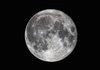
Even basic binoculars reveal craters, maria and bright rays. Rest your elbows on a wall or use a reclining chair for steadier views.
Telescopes


-

Long established fact that a reader will be distracted
-

Long established fact that a reader will be distracted
-

Long established fact that a reader will be distracted


Lunar Phases
Karla Gleichauf
12 May 2017 at 05:28 pm
On the other hand, we denounce with righteous indignation and dislike men who are so beguiled and demoralized by the charms of pleasure of the moment
M Shyamalan
12 May 2017 at 05:28 pm
On the other hand, we denounce with righteous indignation and dislike men who are so beguiled and demoralized by the charms of pleasure of the moment
Liz Montano
12 May 2017 at 05:28 pm
On the other hand, we denounce with righteous indignation and dislike men who are so beguiled and demoralized by the charms of pleasure of the moment