

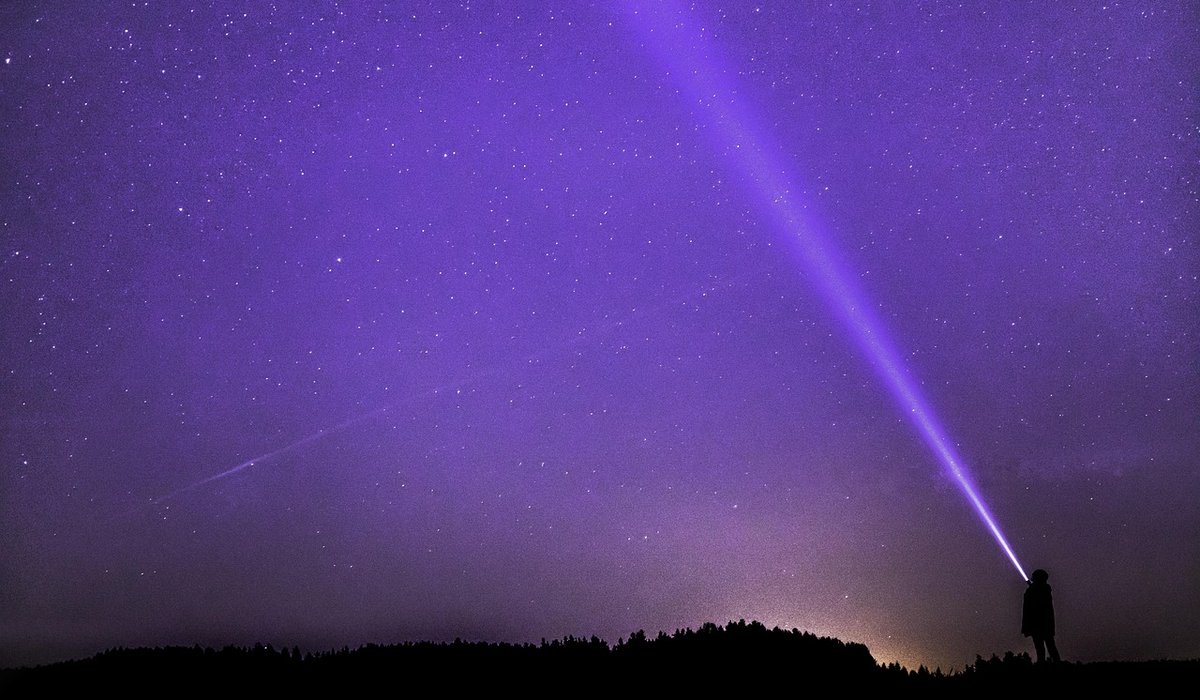
How to Start Stargazing from a Small UK Garden
Why a Small Garden Can Still Be a Window on the Universe
Many people in the UK assume that stargazing requires a long drive to a dark-sky site. In truth, a small garden — even one with a streetlight at the end of the road — can reveal a surprising amount. You have shelter from the wind, somewhere to sit, and the option of a hot drink. Light pollution will wash out faint galaxies and nebulae, but the Moon, the bright planets, the major constellations and passing satellites are all within reach. The secret is not expensive equipment. It is a little patience, a simple star chart, and warm clothing.
The Simple Kit That Makes All the Difference
You do not need a telescope to begin. Your eyes are the best instrument you own. Once you can find your way around the sky, a pair of 10x50 binoculars will show lunar craters, Jupiter's moons and the brighter star clusters. A red torch — or a head torch with a red mode — preserves your night vision. So does a printed star chart or a planisphere set for the UK's latitude. A reclining garden chair saves your neck. And clothing matters more than optics: thermal base layers, a fleece, a waterproof coat, a hat, gloves and thick socks. A flask of tea is optional but recommended.
- Red torch — white light destroys dark adaptation for up to 20 minutes.
- 10x50 binoculars — a good balance of magnification and light gathering.
- Star chart or planisphere — set for roughly 50–58°N.
- Reclining chair — comfort keeps you outside longer.
- Warm layers — UK nights are cold even in summer.
Finding Your Way Around the Night Sky
Start by learning the cardinal directions. A compass or phone app will help. Face south for the Moon and planets, which follow the same broad path as the Sun. A star chart should be held overhead, rotated so the directions match what you see. Begin with easy patterns: the Plough is visible all year, Orion dominates winter evenings, and Cassiopeia's W-shape points towards the North Star. Use these to star-hop to brighter stars. The planets are easier than you might think. Venus is brilliantly white in the west after sunset or the east before sunrise. Jupiter is a steady, bright cream colour. Saturn looks yellowish, and Mars is distinctly reddish. Free planetarium apps are helpful, but cover your phone screen with red film.
The Moon: Your First and Best Target
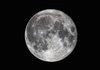
The Moon is the perfect beginner's target, and it rewards repeat viewing. Avoid the full Moon: it is too bright and its face looks flat. Instead, observe when the Moon is a crescent or around first or last quarter. The line between light and shadow — the terminator — reveals craters, mountain ranges and dark plains called maria. Through binoculars, look for the crater Copernicus, the bright rays of Tycho, and the Apennine mountains. A small telescope at 50x will show astonishing detail. Watch the Moon over several nights and you will see the terminator creep across the surface. Near a thin crescent, look for earthshine: sunlight reflected from Earth gently illuminating the dark side. Sketching or noting what you see makes the experience richer.
Satellites, Meteors, and Other Fleeting Delights
Satellites are a wonderful surprise for beginners. The International Space Station appears as a bright, steady point of light moving smoothly across the sky, usually taking a few minutes to cross. Pass predictions are available from free websites and apps. Unlike an aircraft, a satellite does not blink, and it may brighten or fade as it tumbles. Meteors need no equipment at all. Lie back and watch during the major showers — the Perseids in August and the Geminids in December are favourites — but avoid nights when the Moon is bright. Give your eyes twenty minutes to adapt to the dark, and avoid looking at white lights. Patience is the real skill here: most nights you will see something, even if it is just a satellite and a few bright stars.
Making It a Comfortable Habit
UK weather is changeable, so keep sessions short and flexible. Twenty to thirty minutes is plenty when you are starting. Check the cloud forecast, pick one target — the Moon, Jupiter, or a satellite pass — and go out prepared. Dress warmer than you think you need. A hot drink in a flask extends your time outside. Invite a friend or family member; shared discoveries are more memorable. Keep a simple log of dates, times and what you saw. Over weeks, you will learn the sky's rhythms. A small garden is not a limitation. It is a front-row seat to the Moon, the planets and the quiet traffic of orbit.


Stargazing
-
Clear skies, low humidity and minimal moonlight matter more than expensive equipment. Check local forecasts and observe when conditions suit your schedule.

Telescopes


-

Long established fact that a reader will be distracted
-

Long established fact that a reader will be distracted
-

Long established fact that a reader will be distracted


Lunar Phases
Karla Gleichauf
12 May 2017 at 05:28 pm
On the other hand, we denounce with righteous indignation and dislike men who are so beguiled and demoralized by the charms of pleasure of the moment
M Shyamalan
12 May 2017 at 05:28 pm
On the other hand, we denounce with righteous indignation and dislike men who are so beguiled and demoralized by the charms of pleasure of the moment
Liz Montano
12 May 2017 at 05:28 pm
On the other hand, we denounce with righteous indignation and dislike men who are so beguiled and demoralized by the charms of pleasure of the moment