


Protecting Telescopes from Frost and Damp
Why UK gardens are tough on telescopes
There is nothing quite like a crisp, clear night in the garden, the Moon sharp and bright in the eyepiece. But British weather has a quiet habit of undoing that joy. The moment your telescope cools below the dew point – which happens fast on a still, frosty evening – moisture from the air begins to condense on every exposed surface. Your lens or mirror fogs up, frost forms, and if you pack everything away without a plan, that dampness can linger.
Over weeks and months, repeated condensation is bad news. It can leave water marks on anti-reflective coatings, encourage fungal growth on lenses and mirrors, and corrode metal fittings. The good news is that protecting your telescope from frost and damp is not complicated. It just requires a little patience and a simple routine.
The golden rule: let your optics warm up gradually
After a session, the worst thing you can do is bring a freezing cold telescope into a warm, cosy room and leave it there. Warm air holds more moisture, and when it meets a cold lens, it releases that moisture instantly. You will see a fine mist form on the glass within seconds. That is condensation, and it can happen inside the tube as well as on the outside.
Instead, bring your telescope indoors and place it in the coolest room in the house – a porch, an unheated spare bedroom, or a garage that is not damp. Leave it there, still assembled or in its case, for an hour or two. This allows the optics to warm up slowly, at a rate that does not shock the glass. Never use a hairdryer or radiator to speed things up. Rapid heat can stress coatings and cause cracks in extreme cases.
Breathable covers: your telescope's best friend
While your telescope is warming up, it needs to breathe. If you seal a cold telescope in a plastic bag or an airtight case, any moisture already inside will be trapped. It will condense on the optics and stay there. Instead, drape a clean cotton sheet or a dedicated breathable telescope cover over the tube and mount. This keeps dust off while allowing damp air to escape.
If you use a carrying case, leave it open until the telescope has reached room temperature. Only then should you close it up. For eyepieces and filters, a small dry box with a sachet of silica gel is ideal. Silica gel is cheap, reusable, and absorbs moisture before it can reach your delicate coatings.
Dry storage: where and how to keep your telescope
Where you store your telescope matters as much as how you bring it in. Damp sheds, cold garages, and conservatories are tempting because they are convenient, but they are often the worst places for optics. Aim for a dry, stable indoor spot with good air circulation. A cupboard in a spare room, a shelf in a hallway, or a dedicated corner in a bedroom works well.
Invest in a simple hygrometer – a device that measures relative humidity. You want to keep your storage area below about 60% humidity. If it creeps higher, use more silica gel or a small dehumidifier. Check your telescope every few weeks. If you see any condensation inside the case, air everything out on a dry day.
A simple post-session routine for beginners
Here is a routine that takes minutes and saves hours of worry:
- Bring it in, don't unpack it. Carry the whole setup into your cool room and leave it be.
- Cover it loosely. Use a breathable sheet or cover. Do not wrap it in plastic.
- Wait one to two hours. Let the telescope reach room temperature naturally.
- Check for condensation. If the optics are still misty, wait longer. Never wipe them with a cloth.
- Store dry. Once completely dry, cap the optics and place silica gel in the case or storage cupboard.
- Air your eyepieces. Leave them uncapped for an hour before storing, so any moisture can escape.
If you do find a little dew on a lens, resist the urge to rub it. Use a blower brush or a lens pen designed for optics. A microfibre cloth should only be used as a last resort, and only on a lens that is already clean and dry.
Extra protection for lunar observers
Lunar observing often means long, cold sessions. The Moon is bright and detailed, and it is easy to lose track of time. A dew shield – a simple tube that extends beyond the front lens – is the first line of defence. It slows down dew formation by trapping a layer of air around the optics. For more stubborn conditions, a dew heater strip powered by a small battery pack keeps the lens just above the dew point.
Frost is a particular challenge. If you see ice crystals forming on your telescope, do not scrape them off. Bring the telescope indoors and let the frost melt naturally as it warms. Scraping can scratch coatings. Also, remember that frost can form inside the tube if the telescope is left outside after the session. That is why bringing it in promptly and warming it slowly is so important.
With a little care, your telescope will stay in good condition for years. The UK sky offers plenty of clear, frosty nights perfect for lunar craters and maria. Protect your optics, and you will be ready for every one of them.


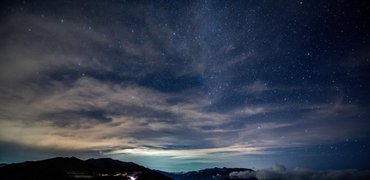
Stargazing
-
Choose white or silver flowers that reflect moonlight, plus night-scented plants. A moon garden adds beauty while you wait for clouds to clear.

Telescopes


-

Long established fact that a reader will be distracted
-

Long established fact that a reader will be distracted
-

Long established fact that a reader will be distracted


Lunar Phases
Karla Gleichauf
12 May 2017 at 05:28 pm
On the other hand, we denounce with righteous indignation and dislike men who are so beguiled and demoralized by the charms of pleasure of the moment
M Shyamalan
12 May 2017 at 05:28 pm
On the other hand, we denounce with righteous indignation and dislike men who are so beguiled and demoralized by the charms of pleasure of the moment
Liz Montano
12 May 2017 at 05:28 pm
On the other hand, we denounce with righteous indignation and dislike men who are so beguiled and demoralized by the charms of pleasure of the moment