

Choosing the Best Night for Backyard Astronomy
Why the Clearest-Looking Evening Can Still Disappoint
Step outside on a sharp January evening, glance upwards, and you might see a dozen stars and think: perfect. An hour later the telescope is out and the view is a wobbling, watery mess. That is the difference between a sky that looks clear and a sky that is genuinely good for observing. For beginners in the UK, learning to tell the two apart will improve your evenings far more than any upgrade to your equipment.
The good news is that the best nights are usually the ones you can predict. With a little practice, you can look at a forecast and decide in thirty seconds whether it is worth carrying a telescope into the garden.
Transparency, Seeing and the British Jet Stream
Two separate qualities decide how much you will actually see.
Transparency is how much light makes it through the atmosphere. Hazy air, Saharan dust, pollen, chimney smoke and light pollution all cut it down, which dims faint galaxies and nebulae first. You can often tell transparency is poor when the horizon looks murky and only the brightest stars show.
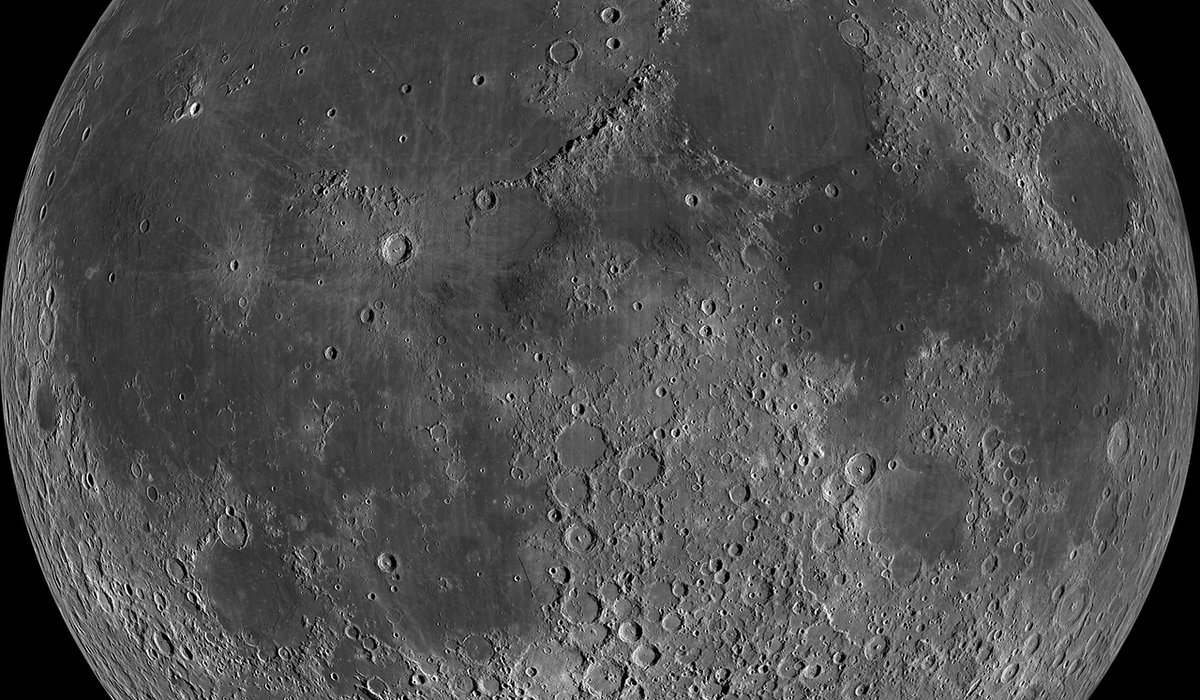
Seeing is how steady the air is. Poor seeing makes stars twinkle violently and turns the Moon's craters into a shimmering blur. In the UK, seeing is usually worst when the jet stream sits directly overhead, which happens most often in winter and early spring. When the jet stream has shifted away, even a modest telescope will show crisp lunar detail at high magnification.
As a rough rule, misty, still nights are often steady but murky, while windy, clear nights are transparent but turbulent. The rare night that is both is worth cancelling other plans for.
Planning Around the Moon
If you want to observe faint objects, the Moon is your enemy. A bright Moon washes out everything within a wide radius, so aim for the week either side of new moon, and check when it rises and sets — a Moon that sets at 11pm leaves you a genuinely dark window afterwards.
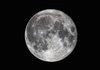
For lunar observing itself, though, a full Moon is the least interesting phase. The drama lives along the terminator, the line between light and shadow. Around first quarter and the days either side, craters near the terminator throw long shadows that make the surface look three-dimensional. A waxing crescent in the early evening is ideal for beginners: it is high enough, bright enough, and finished before bedtime. A neutral density filter or even a pair of sunglasses held over the eyepiece helps when the Moon is nearly full.
Reading a Forecast Properly
General weather apps tell you cloud cover, which is only the beginning. Look for these details:
- Cloud cover hour by hour, not just the daily summary. A gap between 10pm and 1am is all you need.
- Humidity and dew point. If the dew point is within two or three degrees of the air temperature, dew will form on your optics. A dew shield and a spare cloth become essential.
- Wind speed. Anything above roughly 15 mph will shake a lightweight tripod and ruin high-magnification views.
- Upper-air charts. Astronomy-specific forecast tools, or the jet stream maps used by pilots, show whether the fast-moving air above you is likely to destroy your seeing.
- Local quirks. Coastal fog, valley mist and town heat islands all behave differently from the regional forecast. Your own garden is the best data source you have.
Working With Your Schedule, Not Against It
The perfect night you cannot use is worth nothing. If you have young children or an early start, a two-hour window on a merely decent evening beats a five-hour session you never actually take.
Practically, this means keeping setup time short. Keep the telescope somewhere cool and dry rather than a warm room, so it is closer to outside temperature. A small refractor or a pair of 10x50 binoculars on a garden table can be ready in a minute, and binoculars are genuinely excellent for the Moon, the Pleiades and the brighter star clusters.
Let your eyes adapt for twenty minutes, avoid white torches and phone screens, and use a red light instead. Even in a suburban garden, a modest amount of dark adaptation reveals far more than you would expect.
A Quick Checklist Before You Carry Anything Outside
- Is there a clear window of at least an hour after dark?
- Is the Moon out of the way — or is it the target itself?
- Has the forecast been steady for a few hours, rather than changing minute to minute?
- Is it windy enough to shake the mount?
- Is dew likely, and have you got something to deal with it?
- Are you dressed for standing still in the cold for two hours, not for a brisk walk?
Get into the habit of checking these before you open the door, and you will waste far fewer evenings. The best night for backyard astronomy is rarely the one with the most impressive forecast. It is the one where steady air, a sensible Moon phase and a free hour in your diary all line up at once — and in the UK, that happens more often than beginners expect.


Stargazing
-
Learn to match constellations with the horizon and seasonal changes. Start with easy patterns like the Plough before moving to fainter objects.
Telescopes


-

Long established fact that a reader will be distracted
-

Long established fact that a reader will be distracted
-

Long established fact that a reader will be distracted


Lunar Phases
Karla Gleichauf
12 May 2017 at 05:28 pm
On the other hand, we denounce with righteous indignation and dislike men who are so beguiled and demoralized by the charms of pleasure of the moment
M Shyamalan
12 May 2017 at 05:28 pm
On the other hand, we denounce with righteous indignation and dislike men who are so beguiled and demoralized by the charms of pleasure of the moment
Liz Montano
12 May 2017 at 05:28 pm
On the other hand, we denounce with righteous indignation and dislike men who are so beguiled and demoralized by the charms of pleasure of the moment