

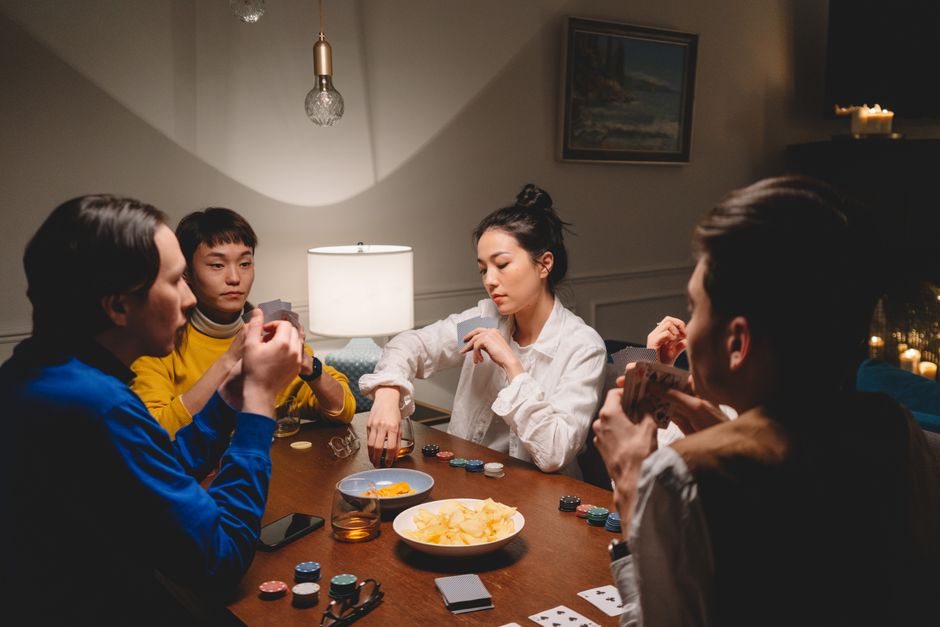
The Real Odds: What Casinos, Slots, and Poker Actually Teach You
You’ve seen the glitzy bonuses and the jackpot screenshots, but strip away the marketing and something far more interesting appears: a math lesson wrapped in neon. The iGaming world—casinos, slots, sports betting, poker—isn't just about luck. It's a laboratory of probability, psychology, and discipline. Whether you're spinning reels at 3 a.m. or grinding a poker tournament, the same question nags: are you playing the game, or is the game playing you? Let's dig into the mechanics behind the flashing lights.
The House Edge: The Invisible Tax on Every Bet
Every casino game carries a built-in advantage for the operator. It's called the house edge, and it's the single most important number you'll never see on a billboard. For European roulette, that edge is 2.7%—thanks to that single zero. On a standard slot machine, it can range from 2% to 15% or more, depending on the game and jurisdiction. That doesn't mean you'll lose 2.7% of every bet; it means over millions of spins, the casino keeps that slice. In a single session, variance is your master. สล็อตเว็บตรง goes into the finer points.
Consider blackjack. With perfect basic strategy, the house edge can drop to around 0.5%. Play badly—hit on 16 against a dealer's 10—and you're giving back 2% or more. The difference between a sharp player and a casual one is often just a few percentage points, but those points compound brutally over time. The takeaway? If you're going to play, learn the optimal strategy for your game. Otherwise, you're paying an extra tax for entertainment.
Slots: The Psychology of the Spin
Slots are the engine of any casino floor, and for good reason. They're fast, solitary, and hypnotic. But the modern video slot is a masterclass in behavioral psychology. Features like near-misses (two jackpot symbols and a third just below the payline), cascading reels, and celebratory sounds are engineered to keep you spinning. The random number generator (RNG) ensures every spin is independent—no hot or cold streaks. Yet your brain insists on patterns.
Here's a concrete tip: check the slot's RTP (return to player) percentage. It's usually listed in the game's help menu or on the casino's site. A 96% RTP means the game pays back 96% of all wagered money over its lifetime. That 4% is the house edge, but it's not a guarantee for your session. A 94% RTP might sound close, but over 1,000 spins of $1 each, the expected loss doubles from $40 to $60. Small differences matter.
- Volatility matters: High-volatility slots pay rarely but can pay big. Low-volatility slots pay often but smaller. Match the game to your bankroll and patience.
- Bonus buys: Many slots let you buy free spins for 100x your bet. The math often worsens the RTP, sometimes dropping to 95% or lower. It's a convenience, not a bargain.
- Autoplay: It's a trap for your attention. When you're not clicking, you're not thinking. Set a loss limit before you hit start.
Sports Betting: The Line Is a Living Thing
If you think sports betting is just picking winners, think again. The odds are a dynamic reflection of probability, and they shift as money comes in and news breaks. A point spread isn't a prediction; it's a balancing act designed to split the action. The bookmaker's profit comes from the vig—the commission baked into the odds. On a standard -110 line, you need to win 52.4% of your bets just to break even. That's the razor's edge.
Sharp bettors look for line movement. If a line moves from -3 to -4.5, it signals heavy money on one side or inside information. But here's the catch: you're not competing against the bookmaker alone; you're competing against other bettors and algorithms. The best edge comes from specialization—knowing a niche market like player props in the NBA or weather effects in the NFL—better than the market does.
Poker: The Only Game Where You Play the Players
Poker is the great exception in iGaming because the house doesn't bet against you. It takes a rake—a small cut of each pot—and then steps aside. That means your profit comes from other players' mistakes, not from beating the dealer. This changes everything. You can be a long-term winner at poker if you're better than your table. In slots or roulette, no amount of skill overcomes the house edge in the long run.
But poker is brutally competitive. The rise of solvers—software that calculates game-theory optimal (GTO) plays—has raised the bar. A casual player at a $1/$2 table might face opponents who have studied thousands of hand histories. Still, there's money to be made at the lower stakes, where players chase draws and pay off big bets with weak hands. The key is bankroll management. A common rule: never buy into a cash game for more than 5% of your dedicated poker bankroll. For tournaments, it's 1-2%. Without this, one bad beat wipes you out.
- Play tight-aggressive: Fold mediocre hands early, but bet strong when you have a good one.
- Position is power: Acting last gives you information. Steal blinds from late position.
- Observe, don't just play: Note who bluffs too much, who never folds, and adjust.
Bankroll Management: The Unsexy Superpower
Ask any professional gambler what separates them from the dreamers, and they'll say bankroll management. It's not about winning big; it's about not losing big. A simple framework:
- Separate your gambling bankroll from your life savings. Never bet rent money.
- Set a stop-loss and a win goal. If you're up 50% on a session, consider walking away. If you're down 30%, definitely walk away.
- Track everything. A spreadsheet or app that logs wins, losses, and hours played reveals the truth.
I once watched a slots player hit a $5,000 jackpot, then feed it all back over three hours because he 'felt lucky.' That's the opposite of management. Luck is a guest; discipline is the landlord.
Bonus Hunting and the Fine Print
Casino bonuses are not free money. They come with wagering requirements. A 100% match bonus up to $200 with a 30x wagering requirement means you must bet $200 x 30 = $6,000 before withdrawing any bonus winnings. And slots often contribute 100% to that requirement, while table games like blackjack might contribute only 10%. Read the terms.
Some players become bonus hunters, moving from site to site to exploit favorable terms. It's a legitimate strategy, but it's tedious and often banned. For most, a bonus is a way to extend playtime, not to guarantee profit. If you enjoy the game, a bonus adds value. If you're just chasing the bonus, you'll likely burn out.
The Final Hand: Play for Entertainment, Not Income
After all the math, the psychology, and the strategies, the most important lesson is this: the house always has an edge in casino games. That edge is the price of entertainment, like a movie ticket or a theme park ride. You don't go to Disneyland expecting to leave with more money. So set a budget, treat losses as the cost of a good time, and never chase. For poker and sports betting, skill can tip the scales, but only for a disciplined few. The rest of us? We're there for the thrill. And that's perfectly fine—as long as you know which game you're playing.


Stargazing
-
Clear skies, low humidity and minimal moonlight matter more than expensive equipment. Check local forecasts and observe when conditions suit your schedule.


Telescopes




-

Long established fact that a reader will be distracted
-

Long established fact that a reader will be distracted
-

Long established fact that a reader will be distracted



Lunar Phases
Karla Gleichauf
12 May 2017 at 05:28 pm
On the other hand, we denounce with righteous indignation and dislike men who are so beguiled and demoralized by the charms of pleasure of the moment
M Shyamalan
12 May 2017 at 05:28 pm
On the other hand, we denounce with righteous indignation and dislike men who are so beguiled and demoralized by the charms of pleasure of the moment
Liz Montano
12 May 2017 at 05:28 pm
On the other hand, we denounce with righteous indignation and dislike men who are so beguiled and demoralized by the charms of pleasure of the moment